Large breed
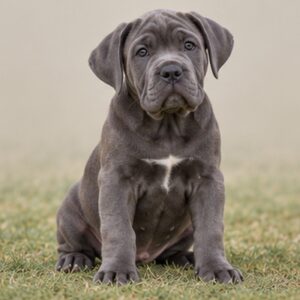
Bullmastiff Puppies
If you’re a serious dog lover, then you would appreciate this able-bodied watchdog in the name of a bullmastiff. One thing is for sure, you could go to bed knowing you’re being watched over and this is quite a good feeling. The bullmastiff is one muscular dog with a fervent loyalty for his owner and this means you’d be very impressed. Discover more about our Bullmastiff puppies for sale below!
We do not have Bullmastiff puppies on the floor today. Tell us what you are looking for and we will let you know the moment one arrives, or help you find a breed that suits your home just as well.
- Adult weight 100–140 lbs
- Height 24–27 in
- Lifespan 8–10 years
- Exercise 30 min a day
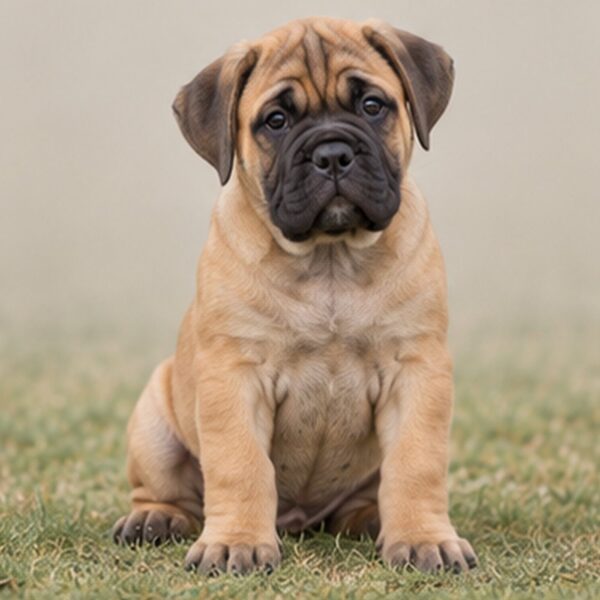
About the Bullmastiff
The Bullmastiff is a gentle giant with a rich history, originally bred in England in the 19th century to guard estates and catch poachers. This impressive breed is known for its calm demeanor and protective instincts, making it an excellent companion for families. Bullmastiffs are naturally affectionate, forming strong bonds with their loved ones, and they generally display a good temperament around young children. Their loyalty and willingness to please make them a wonderful addition to many household dynamics, especially for those seeking a large, loving dog.
Read more about the Bullmastiff Show less
While these magnificent dogs do require regular exercise to stay healthy and happy, their energy level is relatively moderate. Short walks and some playtime in the yard usually suffice to keep a Bullmastiff content. Though they thrive in homes with enough space due to their large size, their affectionate nature makes them adaptable to various living situations; however, they may not be the best fit for apartment living. Grooming is easy, as you will find that these dogs need only monthly attention, and while they show only a moderate amount of shedding, consistent brushing helps keep their coat looking its best.
In terms of socialization, Bullmastiffs generally do well with other dogs, although early exposure to different pets, including cats, is beneficial. They tend to be calm and measured in their barking, only voicing themselves when necessary, which makes them great watchdogs. With an average trainability level, they respond well to consistent and positive reinforcement training. This means that with the right guidance, they can learn to handle various commands and household rules, adding to their appeal as a family pet. If you’re seeking a loving and loyal companion, consider welcoming a Bullmastiff into your home. You might just find the perfect addition to your family at Petland Lake St. Louis & Fenton, MO.
Bullmastiff breed profile
Every score below is set by our team for this breed. Higher is simply more of that trait, not better or worse.
Temperament
-
Affection Very affectionate
-
Playfulness Calm
-
With strangers Warms up
-
Territorial Territorial
-
Prey drive Low
Family & other pets
-
Young children Good
-
Older children Good
-
Other dogs Usually fine
-
Cats Needs care
Energy & exercise
-
Energy Moderate
-
Mental stimulation Light
Training
-
Trainability Willing learner
-
Intelligence Bright
-
Stubbornness Biddable
Care & upkeep
-
Shedding Moderate
-
Drooling A drooler
-
Barking Occasional
Home life
-
Apartment living Prefers a house
-
Time alone Most of a day
-
Cold weather Average
-
Warm weather Needs shade
A good match for
-
First-time owners Some experience helps
-
Senior owners Good
-
Running partner Short distances
-
Hiking Short walks
-
Therapy work Possible
-
Guarding Strong guardian
Living with a Bullmastiff
History
This dog breed is descended from the bulldogs and mastiff in the then Old England. They became popular in the 1860s and were more of an asset. They have the ability to sneak up on you and this was very attractive to people. They were used to catch a lot of poachers and they became valuables. They now serve as watchdogs.
Temperament
The bullmastiff could be very playful and affectionate when they are at home with the family. They are very protective and are quick to become aggressive if they feel threatened. Outside the home, they could be mean to strangers and other canines. They could even bite just to prove a point. They are known to be very stubborn dogs and it is necessary to train and socialize them early.
Environment
This dog breed is known for its bulkiness. They are quite muscular and this means you’d have to house them somewhere with a lot of space. Though they do not make a lot of noise moving around, they should be able to do that without knocking down things. A fenced yard would be ideal. They could also adapt well to apartment living but you’d have to make sure the environment is secure and calm too. You should know that the bullmastiff is not very tolerant of humid weather conditions.
Exercise
The bullmastiff is a big dog and seeing its origin where it was used to catch poachers, you should have an idea of its energy levels. They do need a lot of exercise and you should be committed to this every day. You could let them run with you in the mornings or take them out for long walks later on in the evening. Either way, just be sure they are properly exercised so that they do not have any health problems in the future.
Grooming
The coat of the bullmastiff is short and somewhat coarse and shouldn’t be an issue to care for. You could brush them weekly and use your hands to massage them during shedding seasons. They, however, have minimal shedding so getting rid of the dead hairs should be easy to do.
You should also take note to clean their mouth area many times a day because they tend to have a lot of saliva dripping out and you don’t want this around the house. Brush his teeth and bathe him occasionally.
Our Bullmastiff puppies for sale come from either USDA licensed commercial breeders or hobby breeders with no more than 5 breeding mothers. USDA licensed commercial breeders account for less than 20% of all breeders in the country.
The unregulated breeders who are selling outside of the USDA regulations and without a license are what we consider to be “Puppy Mills.” We are committed to offering Bullmastiff puppies who will grow up to become important members of your family. We only purchase puppies from the very best sources, and we stand behind every puppy we sell.
Caring for a Bullmastiff
- Grooming
- Monthly brushing
- Grooming cost
- Low
- Monthly food
- High
- Outdoor space
- A yard is recommended
- Allergy friendly
- Not considered hypoallergenic
Bullmastiff Video
Frequently Asked Questions
Is the Bullmastiff easy to train?
The dog has a stubborn streak and you’d need to establish that you are the leader. You would need to be consistent and very firm to get them to obey instructions.
What health conditions does the Bullmastiff have?
This dog breed is very muscular but it does have its fears. The bullmastiff could be susceptible to elbow dysplasia, coronary heart disorders, cancers, bone diseases and since they are intolerant to humidity, they could die of heatstroke.
How long can a Bullmastiff live?
The average life expectancy of the bullmastiff is estimated at 8 to 10 years.
How much exercise does a Bullmastiff need?
Seeing they are quite energetic dogs, they would need about 1 to 2 hours of exercise daily.
Do Bullmastiffs like to cuddle?
A bullmastiff could be the perfect family dog if socialized right. They are playful, gentle and kind and they do love to cuddle given the circumstances.
Is a Bullmastiff an ideal dog for first-time owners?
A bullmastiff has a stubborn streak and wants to know why it is doing something before it does it. Apart from the fact that they could be overly protective of their owners and their space as a whole, they could be a handful for a first-time owner.
How often should you bathe a Bullmastiff?
Well, the bullmastiff has a very thin and coarse coat so bathing him should not be a herculean task. The number of times to bathe him would depend on his activity levels and how much he has been around. But on average, once a week should be ideal.
Do Bullmastiffs drool all the time?
Relatively, yes. They drool before and after they eat, they drool when they see food and even when they are hot or cold or even stressed. This is part of their experience and lifestyle.
Are Bullmastiffs aggressive?
Yes, they are. They are particularly aggressive towards other dogs as they really do not get along and towards strangers too.
How strong is a Bullmastiffs bite?
Very strong indeed. It has a bite of 224 psi.
If you’re in need of a good watchdog, then the Bullmastiff is your best bet.