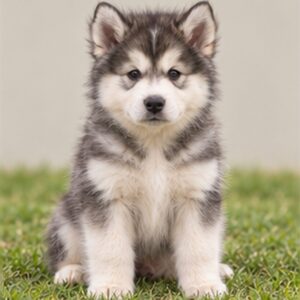
Large breed
Dogue de Bordeaux Puppies
The Dogue de Bordeaux is a large French mastiff also known by other names such as Bordeaux Mastiff, French mastiff or Bordeaux dog. It is a really powerful dog with a muscular body and has its origin from France. This breed has a large head hence; a caesarian operation is sometimes required during its birth. Petland is honored to offer first-class Dogue de Bordeaux puppies and our caring team of puppy specialists will help answer any questions you may have.
We do not have Dogue de Bordeaux puppies on the floor today. Tell us what you are looking for and we will let you know the moment one arrives, or help you find a breed that suits your home just as well.
- Adult weight 110–145 lbs
- Height 23–27 in
- Lifespan 5–8 years
- Exercise 30 min a day

About the Dogue de Bordeaux
The Dogue de Bordeaux, known for its impressive size and gentle disposition, is a breed that brings warmth and loyalty to any family. Hailing from France, this noble breed has a rich history as a protector, dating back to the ancient times when they were used in various roles, including hunting and guarding. Today, they continue to serve as affectionate companions, making them a fantastic choice for families with young kids who will appreciate their gentle nature and strong bond with children.
Read more about the Dogue de Bordeaux Show less
With a moderate energy level, the Dogue de Bordeaux enjoys a relaxed lifestyle that suits both spacious homes and cozy apartments, although they do thrive with plenty of room to stretch out. Their weekly grooming routine is manageable, as they have a semi-long coat that requires some attention to keep it healthy and shiny. While they may shed moderately, their loyal demeanor and large presence easily make up for it. This breed is also known for its trainability; they respond well to positive reinforcement and guidance, making training sessions a rewarding experience for both the owner and the dog.
These loyal companions can adjust well to sharing their space with other dogs and tend to be relatively quiet, barking only occasionally. Although they may not be the best fit for families with feisty cats, their affectionate nature often means they can learn to coexist with well-behaved felines. If you are seeking a loving and protective addition to your home, the Dogue de Bordeaux could be the perfect match for your family, especially if you happen to be in the Petland Lake St. Louis & Fenton, MO area where their gentle spirit can shine.
Dogue de Bordeaux breed profile
Every score below is set by our team for this breed. Higher is simply more of that trait, not better or worse.
Temperament
-
Affection Very affectionate
-
Playfulness Calm
-
With strangers Warms up
-
Territorial Territorial
-
Prey drive Low
Family & other pets
-
Young children Good
-
Older children Good
-
Other dogs Selective
-
Cats Needs care
Energy & exercise
-
Energy Relaxed
-
Mental stimulation Moderate
Training
-
Trainability Willing learner
-
Intelligence Bright
-
Stubbornness Stubborn
Care & upkeep
-
Shedding Heavy
-
Drooling A drooler
-
Barking Occasional
Home life
-
Apartment living Needs real space
-
Time alone Short periods
-
Cold weather Average
-
Warm weather Comfortable
A good match for
-
First-time owners Some experience helps
-
Senior owners Suitable
-
Running partner Short distances
-
Hiking Short walks
-
Therapy work Unlikely
-
Guarding Strong guardian
Living with a Dogue de Bordeaux
History of Breed
The Dogue de Bordeaux is an ancient French breed of dog. It was originally bred in the 12th century to be a hunting dog and transitioned over the years to bait animals, herding and general guard duty. Initially, there were three types of Dogues: Toulousain, Parisian, and Bordelais.
Personality and Temperament
The Dogue de Bordeaux is a very smart, loyal, and social dog. They seek the attention of their family and have very warm and outgoing demeanors. The Dogue de Bordeaux is known for its ability to train with ease and thrives off of positive reinforcement. Many Dogue de Bordeaux owners would describe their dog as loving and caring. They are easy to approach and do well with families that have children.
Appearance and Grooming
The Dogue de Bordeaux is a generally easy dog to care for. This breed does well with a daily brushing of his soft coat to prevent excessive shedding. The Dogue de Bordeaux also benefits from a warm bath every four to six weeks. Remembering to keep his nails clipped on a routine basis is also very important as it will help to make him look and feel his best.
Care and Feeding
The Dogue de Bordeaux is an active dog and does need ample amounts of energy to look and feel their best. The correct ratio of meat-based protein and micronutrients, as well as healthy carbs and fats, will keep this breed healthy. Many Dogue de Bordeaux owners recommend feeding this dog two meals a day, spaced about twelve hours apart. It is also very important to remember to provide your dog with proper dental care. It is suggested that his teeth get cleaned a minimum of three times a week. Failing to keep his teeth clean can contribute to health issues.
Breed Size and Life Expectancy
The Dogue de Bordeaux stands between twenty-three and twenty-eight inches tall.
This breed weighs between one hundred twenty and one hundred forty pounds.
The average life expectancy for this breed is between five and nine years.
Interesting Breed Facts
Fact: The Dogue de Bordeaux is also known as the Bordeaux Mastiff or French Mastiff.
Fact: This breed originated in France around 600 years ago. It is one of the oldest French dog breeds.
Fact: The The Dogue de Bordeaux is a large and powerful breed of dog yet very caring and gentle with his family.
Caring for a Dogue de Bordeaux
- Grooming
- Weekly brushing
- Grooming cost
- Average
- Monthly food
- High
- Outdoor space
- A yard is recommended
- Allergy friendly
- Not considered hypoallergenic
Dogue de Bordeaux Video
Frequently Asked Questions
Is Dogue de Bordeaux good with children?
While the Dogue de Bordeaux can be fierce, it also has the ability to be gentle around the house including with children. It usually acts calm and gentle around them.
How much should the Dogue de Bordeaux weigh?
Ideally, the male Dogue de Bordeaux should weigh between 54 to 65kg, same goes for the female.
How big can the Dogue de Bordeaux get?
This breed can grow up to 27 inches at the shoulder and weigh an average of over a hundred pounds. Male and female Dogue de Bordeaux weigh between 54 to 65kg. For height, the male can grow as tall as 60 to 67cm while the female can grow as tall as 57 to 65cm.
Can Dogue de Bordeaux swim?
This differs with dogs, some love to get wet while some do not. Some Dogue de Bordeaux really love water and swimming is easy on their joints. If you desire to hit the pool with your Dogue de Bordeaux, then it is advisable to introduce it to the water at an early age. However, do not force your puppy into the water if it’s not ready to do so.
What is the lifespan of Dogue de Bordeaux?
The average lifespan of the Dogue de Bordeaux is between 5 to 8 years.
Does Dogue de Bordeaux have health problems?
The Dogue de Bordeaux’ limited gene pool makes it susceptible to extreme temperature and other heart diseases such as aortic stenosis, ectropion, dilated cardiomyopathy amongst others.
Which gender of Dogue de Bordeaux makes better pets?
Both male and female Dogue de Bordeaux have pros and cons. In order to determine what gender to go for, it is advisable to weigh both options fully before making a decision.
When should you neuter Dogue de Bordeaux?
According to vets, Dogue de Bordeaux should be neutered between the ages of four and nine months. It is suggested that the male Dogue de Bordeaux should be neutered after attaining puberty.
Why should I have my Dogue de Bordeaux neutered?
Being neutered keeps your Dogue de Bordeaux at its best behavior, happy and also healthy. It also reduces its risk of breast cancer and overall, improves the quality of your dog’s life.
Is the neutering procedure for Dogue de Bordeaux painful?
The neutering procedure for Dogue de Bordeaux is not painful and is usually carried out under general anesthetic hence; the dog won’t feel a thing during the entire process.