Large breed
German Shepherd Puppies
The German shepherd, formerly called ‘Alsatian Wolf Dog’ in the UK, is a type of breed of dog that originated as far back as the 18th century. It is a medium to large-sized dog very well known for its strength, trainability, and intelligence. It has been famously used in disability assistance, search-and-rescue missions, police/military roles, thus it belongs to the “working- dog group”. Discover more about our German Shepherd puppies for sale below!
We do not have German Shepherd puppies on the floor today. Tell us what you are looking for and we will let you know the moment one arrives, or help you find a breed that suits your home just as well.
- Adult weight 50–90 lbs
- Height 22–26 in
- Lifespan 9–13 years
- Exercise 120 min a day
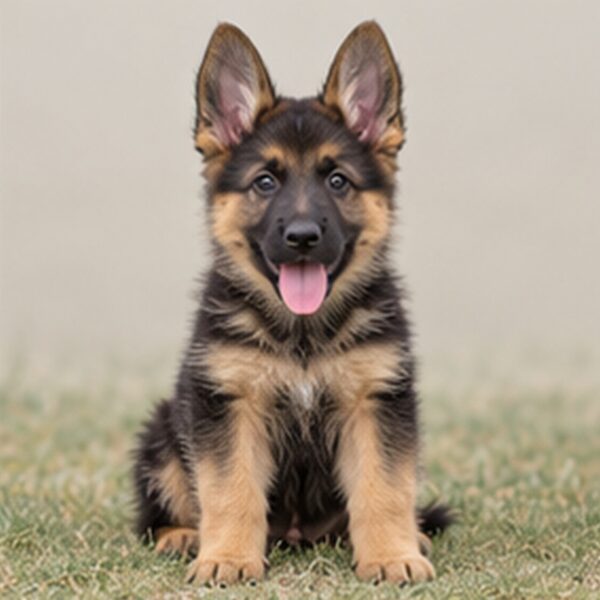
About the German Shepherd
The German Shepherd is a remarkable breed with a rich history that traces back to Germany in the late 19th century. Originally bred for herding and working alongside humans, these loyal companions have evolved into some of the most versatile and intelligent dogs around. Known for their friendly and protective temperament, they make an excellent addition to families, and they particularly shine when engaging with young children. With their strong social nature, they get along well with other dogs and, with early socialization, can even become friends with cats.
Read more about the German Shepherd Show less
With a medium to high energy level, German Shepherds are no couch potatoes. They thrive on regular exercise and enjoy both mental and physical activities, so activities like daily walks or playtime in the yard are essential to keep them happy and well-balanced. That being said, living in an apartment is not ideal for them due to their size and exercise needs, so a home with space to roam is much preferred. Their grooming needs are reasonable, requiring weekly brushing to manage their shedding, which can be moderate to high at times.
Intelligence is one of the standout traits of the German Shepherd, making them highly trainable and eager to learn. They respond well to positive reinforcement and thrive on challenges that engage their minds. This breed has a natural desire to please their owners, allowing them to quickly master commands and tricks. With their strong affection level, they form deep bonds with their families, offering love and loyalty that makes them a cherished member of any household. If you’re ready to welcome a devoted and intelligent companion, consider bringing a German Shepherd into your home, especially if you’re in the Petland Lake St. Louis & Fenton, MO area.
German Shepherd breed profile
Every score below is set by our team for this breed. Higher is simply more of that trait, not better or worse.
Temperament
-
Affection Very affectionate
-
Playfulness Very playful
-
With strangers Warms up
-
Territorial Territorial
-
Prey drive High
Family & other pets
-
Young children Good
-
Older children Excellent
-
Other dogs Sociable
-
Cats Needs care
Energy & exercise
-
Energy Very high
-
Mental stimulation Needs a job to do
Training
-
Trainability Eager to please
-
Intelligence Exceptional
-
Stubbornness Stubborn
Care & upkeep
-
Shedding Heavy
-
Drooling Minimal
-
Barking Vocal
Home life
-
Apartment living Prefers a house
-
Time alone A few hours
-
Cold weather Comfortable
-
Warm weather Average
A good match for
-
First-time owners Some experience helps
-
Senior owners Suitable
-
Running partner Excellent
-
Hiking Excellent
-
Therapy work Good
-
Guarding Strong guardian
Living with a German Shepherd
Breed History
In the 19th century, Shepherds bred all kinds of dogs mainly to herd and guard flocks. Thus, the dogs needed to display a high level of intelligence, extra normal strength, resilience, courage and bravery, a keen sense of smell, and trainability qualities, etc.
During this time, shepherds bred all kinds of dogs ranging from a mix with, the French Berger Picard, Bergamasco Shepherd, Cane Paratore, Lupino del Gigante, Pastore d’Oropa and the Pastore Della Lessinia e del Lagorai.
These mongrel combinations provided dog breeds that could efficiently guard and herd flocks but differed in appearance and ability, from one locality to another.
Max Von Stephanitz an ex-calvary captain and ex-Phylax Society member (a society create solely to standardize dog breeds) attending a dog show in 1899, acquired a dog after being enthralled with the dog’s magnificence, strength, and intelligence and called the dog Horand von Grafrath.
This particular breed was originally named Deutscher Schäferhund by von Stephanitz (which translated means “German Shepherd Dog”). The name was coined from the breed’s ability to assist shepherds on herding and guard duties.
It was general thinking in some parts of Europe (especially in the UK) that the word ‘German’ in the breeds original name would decline the breed rising popularity due to the role that the Germans played during the world and for this reason, the breed was renamed ‘Alsatian Wolf Dog’.
The breeds’ original name “German Shepherd” was officially restored in 1977.
Temperament
German Shepherd dogs are well known to be highly inquisitive which makes them excellent for rescue mission training. The German Shepherd has been described as Confident, Courageous and Smart.
The German Shepherd has a noble character and shows very high levels of loyalty to its owners. The dog is also described as extremely territorial and has displayed characteristics of overprotectiveness in some cases.
If the German Shepherd isn’t trained in a social circle, it can and will show extreme aggression towards strangers.
Environment
The German shepherd can survive in all types of environment; their thick furriness makes them better prepared for cold climates. The German Shepherd needs space for plenty of daily exercises so confining the dog in a tight place isn’t necessarily good for the dog.
Exercise
German Shepherds are considered extremely playful and active. These breeds spend half of their daily routine with activities.
The German Shepherd is popularly known as an athletic natured dog and requires a good dose of daily exercise to keep up muscle tone, build and development.
If improperly exercised the German Shepherd has been known to become frustrated and exhibit undesirable behaviors.
Grooming
The German Shepherd requires an occasional brushing, as this helps with removing loose hair from its fur. The German Shepherd sheds fur once or twice a year and in this time the breed requires a lot of soft brushing. This can be done using a soft to medium bristle brush.
The German Shepherd occasionally requires that its nails are trimmed off when they grow too long, however, some breeds instinctually file their nails against any hard surface that can be fine.
Excessive nail growth can cause much pain and even lead to structural concerns. It’s imperative that if overly long nails are observed they are trimmed immediately.
It isn’t required that the German Shepherd baths every day, however once a week to twice a month at least would suffice in keeping the dog clean and healthy. In choosing a German Shepherd breed you must ask yourself what it is you want in a dog and what kind of person are you?
Considering the breed’s high levels of intelligence, it’s unquestionable loyalty, trainability, and the dog’s prowess; the german shepherd has proven to be a good breed to double as a guard dog and friendly companion.
Our German Shepherd puppies for sale come from either USDA licensed commercial breeders or hobby breeders with no more than 5 breeding mothers. USDA licensed commercial breeders account for less than 20% of all breeders in the country.
The unregulated breeders who are selling outside of the USDA regulations and without a license are what we consider to be “Puppy Mills.” We are committed to offering German Shepherd puppies who will grow up to become important members of your family. We only purchase puppies from the very best sources, and we stand behind every puppy we sell.
Caring for a German Shepherd
- Grooming
- Weekly brushing
- Grooming cost
- Average
- Monthly food
- Average
- Outdoor space
- A yard is recommended
- Allergy friendly
- Not considered hypoallergenic
German Shepherd Video
Frequently Asked Questions
How long do German Shepherds live for?
Healthy German Shepherds live for as long as between nine to thirteen years, however, some german shepherd has lived much longer than Thirteen years.
How fast can German Shepherds run?
An adult German Shepherd can run approximately 30miles per hour.
Were German Shepherds bred as ‘Police-Dogs’?
Originally the German Shepherd was bred for guarding and herding of flocks. The German Shepherd dog is highly intelligent and a fairly quick learner and that is why Police and Military institutions use them in operations.
How do I care for a German Shepherd dog?
The German Shepherd sheds lightly all through the year so be sure to brush it at least twice weekly. Bathe it after each shedding season. Brush its teeth at least once a month. Feed with healthy meals. Routine exercise of at least 45 minutes each day is crucial to the existence of a German Shepherd.
Do they shed a lot?
Yes, German Shepherds sheds heavily all year round and blows the thick, dense fur under its harsh topcoat twice a year.
Are German Shepherds good with kids?
German Shepherds are good with kids, however, they can become very protective because of this adult supervisor is highly recommended.
At what age are German Shepherds fully grown?
In moderation German Shepherds, reach full maturity between 18-24 months (i.e. 1.5 – 2 years). There have been known cases of some Eastern European lines taking up to 3years (i.e. 36 months) to reach full maturity.
Why do German shepherd ears stand up?
During the early puppy age (0-20weeks) German shepherds have floppy ears but this usually becomes pointed ears, standing up due to the cartilage in the ear becoming hard and strong thereby making the ears stand permanently. The standing ears also help in improving the breed’s sense of hearing.
Are male or female German shepherd more affectionate?
It’s difficult to tell which gender shows more affection; however, it is safe to say that the female can show more affection due to her sense of family grooming (i.e. her ability to raise her own puppies with affection).
The female may also be less tolerable than the male when it comes to playing with children. In choosing a German Shepherd breed you must ask yourself what it is you want in a dog and what kind of person are you?
Considering the breed’s high levels of intelligence, it’s unquestionable loyalty, trainability, and the dog’s prowess; the German shepherd has proven to be a good breed to double as a guard dog and friendly companion.