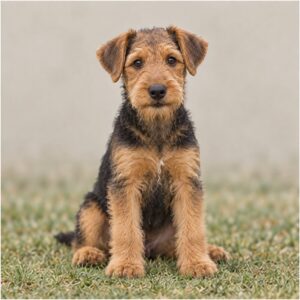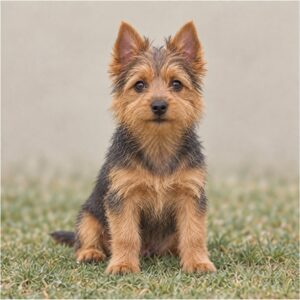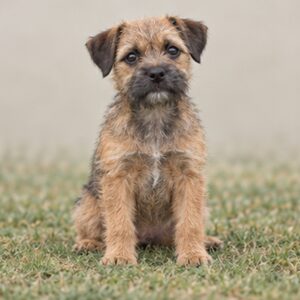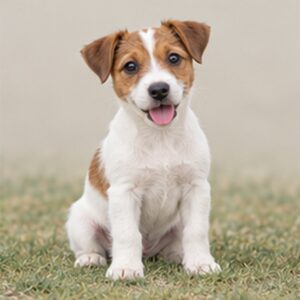
Small breed
Norfolk Terrier Puppies
Despite its small size, the Norfolk Terrier is one of the most popular and favored dogs in Great Britain. Its playfulness, fearlessness, affectionate nature and furriness stole the Norfolk Terrier a place in every dog lover’s heart. Discover more about our Norfolk Terrier puppies for sale below!
We do not have Norfolk Terrier puppies on the floor today. Tell us what you are looking for and we will let you know the moment one arrives, or help you find a breed that suits your home just as well.
- Adult weight 11–12 lbs
- Height 10–12 in
- Lifespan 12–15 years
- Exercise 30 min a day
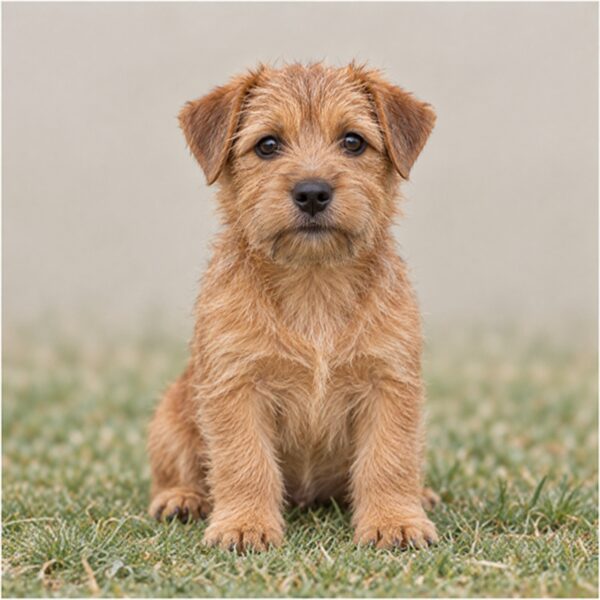
About the Norfolk Terrier
The Norfolk Terrier is a charming little breed with a rich history that traces back to 19th-century England, where they were originally bred to assist in hunting small game. Their compact size makes them a great fit for families and individuals alike, and their warm temperament is sure to melt your heart. Norfolk Terriers are known for their affectionate nature, forging strong bonds with their human companions while also being playful and alert. They typically get along well with young children and other dogs, making them a wonderful addition to a bustling family home.
Read more about the Norfolk Terrier Show less
These spirited pups have a moderate energy level, which means they enjoy daily walks and playtime but are also quite happy to curl up on the couch by your side. Living in an apartment doesn’t pose a challenge for Norfolk Terriers, as their compact size and adaptability allow them to thrive in smaller spaces, provided they receive regular exercise and mental stimulation. Grooming is simple, requiring weekly maintenance to keep their wiry coats looking their best, and they shed minimally, making them a good option for those sensitive to allergens.
Norfolk Terriers are not only endearing companions but are also moderately trainable, displaying a keen intelligence and eagerness to learn. They appreciate positive reinforcement and thrive on engaging activities that challenge their minds. While they may have a tendency to bark from time to time, it is typically manageable with proper training and socialization. If you’re looking for a playful, affectionate, and adaptable friend, the Norfolk Terrier could be the perfect match for your family, especially in vibrant places like Petland Lake St. Louis & Fenton, MO.
Norfolk Terrier breed profile
Every score below is set by our team for this breed. Higher is simply more of that trait, not better or worse.
Temperament
-
Affection Very affectionate
-
Playfulness Very playful
-
With strangers Warms up
-
Territorial Somewhat
-
Prey drive Moderate
Family & other pets
-
Young children Good
-
Older children Good
-
Other dogs Sociable
-
Cats With introductions
Energy & exercise
-
Energy High
-
Mental stimulation High
Training
-
Trainability Quick to learn
-
Intelligence Very bright
-
Stubbornness A stubborn streak
Care & upkeep
-
Shedding Light
-
Drooling None to speak of
-
Barking Vocal
Home life
-
Apartment living Good
-
Time alone A few hours
-
Cold weather Average
-
Warm weather Average
A good match for
-
First-time owners Good first dog
-
Senior owners Good
-
Running partner Short distances
-
Hiking Short walks
-
Therapy work Possible
-
Guarding Low
Living with a Norfolk Terrier
History
The Norfolk Terrier was developed in the year 1880 by British sportsmen. It was referred to as the Norwich Terrier until 1964 because both breeds had many similarities and were considered as the same. Norfolk Terriers are believed to have been made by crossing small red terriers with local terriers. Before the year 1936, Norfolk Terriers were given different names including; the Cantab Terrier, the Trumpington Terrier, and Jones Terriers.
In 1964, the Kennel Club named the droopy-eared dog breed the Norfolk Terrier, leaving the name Norwich Terrier to the sharp-eared breed. Since then, both dog breeds have gain distinct temperaments and looks, making it easier to distinguish both.
Temperament
Norfolk terriers are fearless little dogs with an independent mind. In the terrier group of dogs, they are the most accommodating. They move in packs and easily socialize with other dogs. They make good pets as they enjoy being around humans.
They are lively, active and playful. Norfolk Terriers are not very vocal dogs. Most of the time, they stay quiet and bark when there is a reason to be vocal. They are also natural hunters with low tolerance of vermin. Norfolk Terriers should be kept indoors.
Environment
The Norfolk Terrier loves human contact hence it should be kept indoors. Being around people makes them happy because they are lively dogs that thrive on attention and affection. Though they need some time outdoors to play and run around, living outdoors would be bad for them.
They are small, quiet dogs that do not occupy much space in the house. They can also be tidy when trained properly. Keeping them indoors will not be inconvenient.
Exercise
Norfolk Terriers need at least one hour of exercise daily. During this one hour, it is necessary that they take long walks, run, play fetch or do farm work. They are intelligent dogs hence obedience exercise is also important to teach them to take instructions. Their independent nature and willful streak can make the training tough sometimes so daily training will be helpful.
Grooming
Though Norfolk Terriers have a natural unkempt shaggy look, grooming is necessary. Their coats should be brushed at least once a week. Their toenails require regular trimming and their ears should be cleaned weekly.
Their teeth should also be brushed once a week with doggie toothpaste and a toothbrush. Bathing should be done once a month to avoid softening their exterior coat. Lastly, their coats should not be trimmed with a clipper but by stripping. This shortens and thins the coat perfectly.
Our Norfolk Terrier puppies for sale come from either USDA licensed commercial breeders or hobby breeders with no more than 5 breeding mothers. USDA licensed commercial breeders account for less than 20% of all breeders in the country.
The unregulated breeders who are selling outside of the USDA regulations and without a license are what we consider to be “Puppy Mills.” We are committed to offering Norfolk Terrier puppies who will grow up to become important members of your family. We only purchase puppies from the very best sources, and we stand behind every puppy we sell.
Caring for a Norfolk Terrier
- Grooming
- Monthly brushing
- Grooming cost
- Low
- Monthly food
- Average
- Outdoor space
- Manages without a yard
- Allergy friendly
- Not considered hypoallergenic
Frequently Asked Questions
Are Norfolk Terriers good with children?
A Norfolk Terrier is great with children. For homes with children younger than the age of ten, it is important to keep an eye out for the dogs because they are small and can easily be stepped on or injured. Generally, Norfolk Terriers are affectionate towards kids.
Can Norfolk Terriers cohabit with other pets?
Norfolk Terriers are good-natured hence can live peacefully with other dogs. However, they do not live well with small animals such as hamsters or birds. They perceive smaller animals as prey.
What is the size of a Norfolk Terrier?
The average Norfolk Terrier weighs 11 – 12 pounds and is 9 – 10 inches tall.
How is Norfolk Terriers personality?
Despite their small size, Norfolk Terriers are very active and lively. They are good-natured and always in the mood to play. Without action, they become unhappy and bored.
What are Norfolk Terriers physical attributes?
A Norfolk Terrier can be black, red, wheaten, grizzle or brown. It has a wire-haired coat and drooping ears.
What is the life expectancy of a Norfolk Terrier?
The life expectancy of a Norfolk Terrier is 8 to 14 years. Some dogs of this breed can grow up to 17 years.
Are Norfolk Terriers loud dogs?
No. Norfolk Terriers are not yappy. They only bark when they are excited, bored or are suspicious.
Do Norfolk Terriers dig?
Norfolk Terriers love digging. It is important to keep an eye on them when they’re outdoors to make sure they don’t leave the yard by digging holes under the fence.
How frequently should Norfolk Terriers be fed?
Divide one cup of high-quality dog food into two. Feed them one half in the morning and the other half in the evening. Avoid overfeeding them. They tend to become obese if they are overfed with little or no exercise.
Are Norfolk Terriers difficult to train?
They have an Independent nature hence it takes patience and consistency to train a Norfolk Terrier.