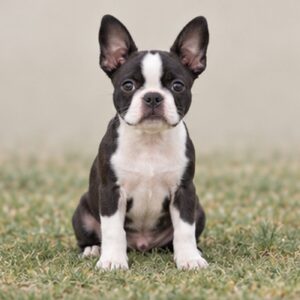
Small breed
Bichon Frise Puppies
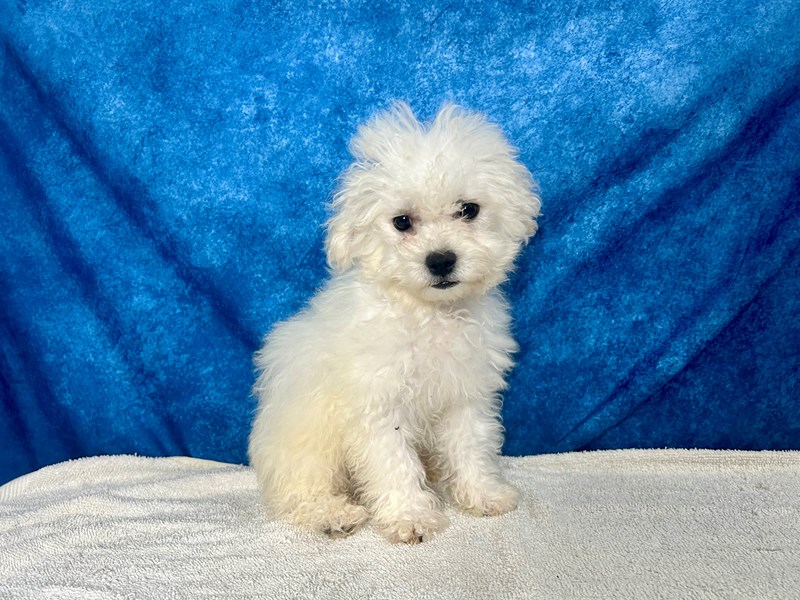
The Bichon Frise is what you would call a lap dog because they are very cute and small. Their size and overall appearance make it easy to be identified as pets and not necessarily the defender of the home. You could say the Bichon Frise is a breed that you ought to take care of just like a baby. Discover more about our Bichon Frise puppies for sale below!
- Adult weight 12–18 lbs
- Height 9–12 in
- Lifespan 14–15 years
- Exercise 30 min a day
 2 available now
Available Bichon Frise Puppies
About the Bichon Frise
The Bichon Frise is a delightful small breed with a rich history that traces back to the Mediterranean. Known for their cheerful disposition and affectionate nature, these dogs make fantastic companions for families and individuals alike. With their playful spirit and cuddly demeanor, they thrive in environments where they receive plenty of love and attention, making them especially well-suited to homes with young children, other dogs, or even cats.
Read more about the Bichon Frise Show less
When it comes to energy levels, the Bichon Frise is moderate, requiring regular exercise to keep them happy and healthy. Daily walks and playtime will do wonders for their spirit, allowing them to express their playful nature while forming a strong bond with their owners. Their adaptability shines in apartment living, as they are content with indoor play and can manage their exercise needs without a large yard.
Grooming is essential for maintaining the Bichon Frise’s signature fluffy coat, and professional grooming is recommended to keep their fur in tip-top shape. While they have a moderate shedding level, regular grooming helps minimize loose hair around the house. Smart and eager to please, Bichons are relatively easy to train, responding well to positive reinforcement techniques. Their tendency to bark can be managed with dedicated training and socialization, ensuring that they fit seamlessly into your family life.
If you’re looking for a playful, affectionate friend who will fill your home with joy, consider bringing a Bichon Frise into your life. Visit us at Petland Lake St. Louis & Fenton, MO to meet these loving little companions and start your journey together.
Bichon Frise breed profile
Every score below is set by our team for this breed. Higher is simply more of that trait, not better or worse.
Temperament
-
Affection Devoted
-
Playfulness Very playful
-
With strangers Friendly
-
Territorial Relaxed
-
Prey drive Low
Family & other pets
-
Young children Good
-
Older children Excellent
-
Other dogs Sociable
-
Cats Usually fine
Energy & exercise
-
Energy High
-
Mental stimulation High
Training
-
Trainability Quick to learn
-
Intelligence Very bright
-
Stubbornness Biddable
Care & upkeep
-
Shedding Light
-
Drooling None to speak of
-
Barking Vocal
Home life
-
Apartment living Well suited
-
Time alone Short periods
-
Cold weather Average
-
Warm weather Average
A good match for
-
First-time owners Ideal first dog
-
Senior owners Excellent
-
Running partner Not suited
-
Hiking Not suited
-
Therapy work Excellent
-
Guarding Not a guard dog
Living with a Bichon Frise
History
The Bichon Frise is a descendant of the water spaniel and could be found in the Mediterranean area as far back as the Middle Ages. Many believe the breed actually originated in the Canary Islands and was brought to Europe by sailors. Bichons have long been known to make good companion dogs, mostly because of their pleasant and warm temperaments. This breed was very popular with European nobility, in the English court during Henry II's reign.
Temperament
This breed is known for having a very warm, loving, gentle and caring personality. They are fun dogs to be around and are not known for aggression. They have very approachable demeanors and enjoy the companionship of their family and other pets in the household. This breed makes a fantastic family pet and will quickly bond with its family.
Appearance
Bichon Frise require regular bathing and grooming. It is suggested that they are bathed as frequently as once a week. They do appreciate and benefit from daily brushings of their coats too. They are not difficult to maintain and through routine care will look and feel their best.
Care
The Bichon Frise does enjoy activity time and burning off energy, however, is not an overly energetic breed of dog. The correct ratio of meat-based protein and micronutrients, as well as healthy carbs and fats, will keep your Bichon Frise feeling and looking his best. Many Bichon Frise owners recommend feeding this breed two meals each day, spaced about twelve hours apart. This will help to ensure the dog is provided with the proper nutrients he needs. It is also important to remember to provide your dog with proper dental care. It is suggested that his teeth get cleaned a minimum of three times a week. Failing to keep his teeth clean can contribute to health issues. Although properly cleaning his teeth will take some practice to get good at, in time, this will become easier for you and your pup.
Breed Size and Life Expectancy
- The Bichon Frise stands between eleven and twelve inches tall upon maturity.
- This breed weighs between twelve to eighteen pounds.
- The average life expectancy for this breed is between twelve and fifteen years.
Breed Facts
- Fact: The Bichon Frise is pronounced bee-SHON free-ZAY.
- Fact: The breed was recognized in 1973 by the American Kennel Club as a non-sporting dog.
- Fact: This breed loves the water and playing outside with its family.
Caring for a Bichon Frise
- Grooming
- Professional grooming
- Grooming cost
- Average
- Monthly food
- Low
- Outdoor space
- Manages without a yard
- Allergy friendly
- Often suits allergy sufferers
Bichon Frise Video
Frequently Asked Questions
What is the average lifespan of the Bichon Frise?
The Bichon Frise is said to have an average lifespan of 12 to 15 years. The longest living bichon frise in the UK died at the age of 16. 5 years.
How best can you take care of a Bichon Frise?
Well, just like a regular dog. Feed him daily, make sure he gets the adequate playtime needed and take appropriate care to brush his coat daily. You would also need to give him a bath regularly and fix appointments with a Groomer when necessary.
Is it easier to buy a Bichon Frise in pairs?
Of course yes. They thrive in pairs because they are social animals. They would have an opportunity to let out all their energy and this would give you time to rest.
Can Bichon Frise be aggressive in any way?
If they are properly groomed and trained, no. But any shy dog could be aggressive given improper training.
Would Bichon Frise love to cuddle?
Yes. They are social creatures and could be very clingy like babies.
How often do Bichon Frise need baths?
Make it weekly or biweekly.
What diseases are Bichon Frise susceptible to?
They are susceptible to hyperadrenocorticism, canine hip dysplasia.
What are Bichon Frise known for?
They are very playful dogs and they are known for minimal barking.
What foods are suitable for Bichon Frise?
Try fibers and carbohydrates and a lot of whole grains.
How do I clean Bichon Frise tear stains?
Use a baking soda paste on the area and let it sit for some time before rinsing.
If you’re in need of a loyal and playful companion, this breed is the best for you.