Medium breed
Keeshond Puppies
The Keeshond is a medium-sized dog with origin from Holland; its closest relatives are the German Spitzes. It is also known by other names such as German Spitz, Wolfspitz, Smiling Dutchman, etc. The breed was developed in England in the 19th century with the imports obtained from The Netherlands and Germany. Discover more about our Keeshond puppies for sale below!
We do not have Keeshond puppies on the floor today. Tell us what you are looking for and we will let you know the moment one arrives, or help you find a breed that suits your home just as well.
- Adult weight 35–45 lbs
- Height 17–18 in
- Lifespan 12–15 years
- Exercise 60 min a day
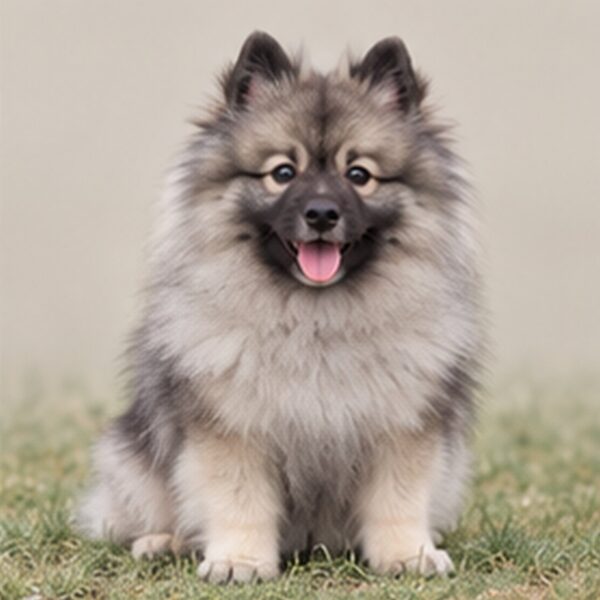
About the Keeshond
The Keeshond is a medium-sized breed with a history that dates back to the 17th century in the Netherlands, where they were used as watchdogs for barges and farms. These charming dogs are known for their striking appearance featuring a fox-like face, a “spectacles” marking around their eyes, and a fluffy double coat. Their affectionate and friendly temperament makes them an excellent fit for families, particularly those with young children and other pets. Keeshonds thrive in social environments and are generally good with dogs and even tolerant of cats.
Read more about the Keeshond Show less
With a moderate energy level, Keeshonds enjoy daily exercise but also appreciate cozy time indoors, making them suitable for apartment living as long as they receive regular walks and playtime. Grooming is important for this breed, as they shed quite a bit; weekly brushing helps minimize loose fur and keeps their beautiful coat looking its best. Keeshonds are intelligent and highly trainable, so they enjoy learning new commands and tricks. This playful breed has a tendency to bark, which makes them dependable watchdogs, alerting their families to anything unusual while remaining loving companions.
Whether you are looking for a delightful new family member or a loyal friend to accompany you on adventures, the Keeshond has much to offer. Their affectionate nature and vibrant personality can light up your home, making them an ideal choice for those seeking a devoted pet. If you’re interested in welcoming one into your family, visit us at Petland Lake St. Louis & Fenton, MO, where you can learn more about this endearing breed.
Keeshond breed profile
Every score below is set by our team for this breed. Higher is simply more of that trait, not better or worse.
Temperament
-
Affection Very affectionate
-
Playfulness Very playful
-
With strangers Friendly
-
Territorial Somewhat
-
Prey drive Low
Family & other pets
-
Young children Good
-
Older children Good
-
Other dogs Sociable
-
Cats With introductions
Energy & exercise
-
Energy High
-
Mental stimulation High
Training
-
Trainability Quick to learn
-
Intelligence Very bright
-
Stubbornness A stubborn streak
Care & upkeep
-
Shedding Heavy
-
Drooling None to speak of
-
Barking Vocal
Home life
-
Apartment living Adaptable
-
Time alone A few hours
-
Cold weather Comfortable
-
Warm weather Average
A good match for
-
First-time owners Good first dog
-
Senior owners Good
-
Running partner Moderate
-
Hiking Moderate
-
Therapy work Good
-
Guarding Alert
Living with a Keeshond
Breed History
Keeshond was named after Dutch Patriot, Cornelis (Kees) de Gyselaer, who was the leader of the rebellion against the House of Orange in the 18th century.
There are debates over its origin, while some believe it originated from the Netherlands, another school of thought is of the opinion that it is part of the German Spitz family.
Temperament
Keeshond has a playful, intelligent and obedient temperament which makes it a joy to be around. It makes a good companion for both adults and children. Keeshond’s even temperament makes it an excellent guard dog, watchdog and also family dog.
Spending time with its loved ones makes it really happy. Keeshond is an attention seeker that likes interrupting when ignored.
Environment
Keeshond does well in apartment living and big yards, its medium size makes it easy for it to adjust anywhere.
It will do well in any home as long as it has lots of interaction with its owner, home with kids is a great environment for the Keeshond.
Exercise
The Keeshond enjoys a dog walk moment with its family and will most likely jump in excitement once it is walk time, a short run or jog does the magic on its body.
If walking along a particular route gets boring, you can spice things up by walking a different route or simply taking the Keeshond along to that park meeting with a friend
Grooming
The Keeshond has a coat that requires less frequent bathing due to its self-cleaning nature and minimal odor. For dogs below the age of 7, it is advised to bathe every three weeks while for others above 7 years, baths should be every 4 to 6 weeks. Weekly brushing is also required and keeps the Keeshond looking good.
Our Keeshond puppies for sale come from either USDA licensed commercial breeders or hobby breeders with no more than 5 breeding mothers. USDA licensed commercial breeders account for less than 20% of all breeders in the country.
The unregulated breeders who are selling outside of the USDA regulations and without a license are what we consider to be “Puppy Mills.” We are committed to offering Keeshond puppies who will grow up to become important members of your family. We only purchase puppies from the very best sources, and we stand behind every puppy we sell.
Caring for a Keeshond
- Grooming
- Monthly brushing
- Grooming cost
- Average
- Monthly food
- Average
- Outdoor space
- A yard is recommended
- Allergy friendly
- Not considered hypoallergenic
Frequently Asked Questions
Can you trim a Keeshond?
It is not a bad idea to trim your Keeshond when it attains full maturity, say between 18 to 24 months. However, this should be done by a professional groomer.
Are Keeshonds protective?
A Keeshond is more welcoming than protective, while some other dogs will become overly protective and aggressive upon sighting strangers or other dogs, a Keeshond won’t.
How often should you bathe a Keeshond?
The Keeshond’s double coat requires proper bathing and drying to preserve its beautiful coat hence, regular bathing and brushing are required. It can be bathed as frequently as once a week and also no longer than every 6 weeks.
Does the Keeshond dog shed much?
Yes. Keeshond sheds heavily but this can be dealt with by brushing once or twice a week. It sheds twice a year when blowing its entire undercoat all at once, the shedding period is usually intense and can last for up to three weeks.
Does the Keeshond smell?
Keeshond has less dog smell than most dogs because of its undercoat which allows air to circulate adjacent to its skin.
Is Keeshond good with children?
Yes. The Keeshond does really well with children however; parents should ensure the kids do not play too roughly with the Keeshond as it can take a lot of abuse without retaliating. Also, kids should not be allowed to ride on the back of the Keeshond as this might cause physical damage to the dog.
What ailments are common with the Keeshond breed?
Keeshonds may suffer from ailments such as black skin, epilepsy, hypothyroidism, cancer, heart problem, missing teeth, etc.
Is Keeshond an intelligent breed?
Yes. Keeshond is very intelligent and can read the mind of its owner, it is also very eager to please and as a result, can grab whatever it is being taught really quick.
How often should a Keeshond be fed
Feeding a Keeshond has to do with its age, puppies between 8 and 12 weeks old need to be fed 4meals in 24 hours. 3 to 6 months old puppies should be fed 3 meals in 24 hours while puppies between 6 months to 1 year should be fed 2 bowls in twenty-four hours.
How much exercise does a Keeshond need?
Keeshond does not require that much exercise, most Keeshonds do well with a daily walk and also playing games of Frisbee or ball. A Keeshond’s level of activity is solely dependent on how much its owner wishes to do with it.
If you want a dog that is sturdy looking, medium-sized, beautiful and fluffy, the Keeshond is the right dog for you.