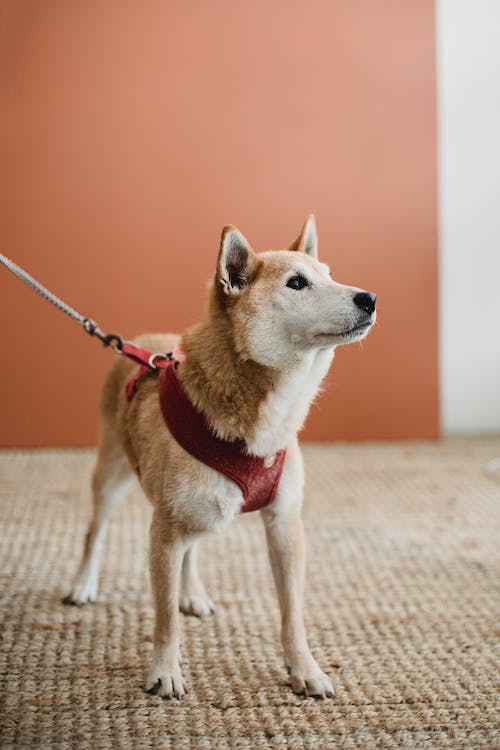

Living with a puppy can feel like discovering your own secret language. You learn the zoomies, the sleepy sighs and the very specific look that means, “I definitely did not eat that.”
Still, puppies cannot tell us exactly what they want or how they feel. Learning their body language can help you understand your new companion and build a stronger bond.
Every puppy has a personality, too. Some are bold and curious. Others are more cautious. The key is learning what your puppy is communicating.
How can you tell when your puppy is relaxed?
A relaxed puppy usually has a loose, soft body and natural movement. You may notice soft eyes, relaxed ears, an open mouth and a gently wagging tail. They may stretch out, lean against you or settle comfortably nearby.
How to respond: Enjoy the moment. Gentle interaction, play or simply spending time together can reinforce that sense of comfort.
What does a puppy’s playful body language look like?
The classic play bow is a great clue. Your puppy lowers their front end while keeping their rear end up. Bouncy movement, a wiggly body and a loose tail can also signal that they are ready for fun.
How to respond: Let the play continue when both puppies remain relaxed and engaged. If one puppy becomes overwhelmed, pause and give them space.
How can you recognize when your puppy is worried?
Stress signals can be surprisingly subtle. Lip licking, yawning, turning away, pinned-back ears, a tucked tail, pacing, panting when it is not hot, freezing or trying to move away can all signal discomfort.
How to respond: Reduce the pressure. Give your puppy distance and allow them to move away. Never punish a puppy for communicating discomfort.
Does a wagging tail always mean a happy puppy?
Not necessarily. A loose, sweeping wag with a relaxed body can signal comfort. A high, stiff wag can indicate arousal or tension, while a tucked tail may signal fear or discomfort. Always read the entire body instead of focusing on the tail alone.
How Can Petland Help You Understand Your Puppy?
At Petland Lake St. Louis & Fenton, MO, we believe bringing home a puppy is the beginning of a relationship, not the end of the journey. For nearly 60 years, our Pet Counselors have helped families find the right pet while providing information about behavioral, nutritional and environmental needs.
The more closely you learn your puppy’s signals, the easier it becomes to recognize their comfort, curiosity and need for a little extra space. That understanding can make those first months together even more rewarding, and help you build the happy, lasting relationship you’ve been dreaming about.
Hungry for more? The next chapter’s even better! Follow the paw prints below to keep reading.
The First 5 Commands Every Puppy Should Learn
New Puppy Checklist: Everything You Need Before Day One



![[#4680] Red Female Poodle Puppies for Sale](https://petlandstl.com/wp-content/uploads/woocommerce-placeholder-600x600.png)